


What’s the claim?
A high-protein diet claims to help with weight loss, muscle retention, improved satiety, and enhanced metabolic health, especially during calorie restriction or aging. It often promotes protein intake above general recommendations (e.g., >25–30% of daily calories or 1.2–2.0 g/kg body weight).
Where did it come from?
Interest in high-protein diets grew alongside:
Research showing protein’s role in muscle synthesis and satiety
Weight-loss programs emphasizing protein over carbs or fats
Sports nutrition recommendations for athletes and strength training
Diet patterns high in animal, plant, or mixed protein sources have been popularized in mainstream diets (e.g., Paleo, low-carb variants).
What does the science say?
Major Findings
Weight management: Higher protein improves satiety and helps preserve lean mass during weight loss.
Muscle health: Especially in older adults, higher protein intake that is evenly distributed across meals may increase muscle mass
Cardiovascular risk: Protein sources matter — plant protein tends to link with lower risk, while certain animal proteins (especially processed meats) associate with higher cardiometabolic risk.
What are we still missing?
Long-term outcome data on mortality and chronic disease across the full lifespan.
Clear thresholds: How much protein is optimal for different ages, activity levels, and health conditions?
Understanding protein quality: Plant vs. animal vs. mixed sources in long-term health.
Effects on kidney health in populations without existing kidney disease remain debated.
The role of protein timing (when you eat it) relative to exercise and metabolic outcomes.
How to apply it?
Aim for 1.2–2.0 g/kg body weight/day if your goals involve weight loss or strength retention — personal needs vary.
Prioritize high-quality protein sources that also deliver nutrients and lower cardiometabolic risk.
Combine high protein with resistance training to maximize muscle retention and functional benefits.
Smart source choices:
Plant proteins: beans, lentils, tofu, edamame, quinoa, nuts, seeds
Lean animal proteins: poultry, fish, eggs, dairy
Red meat: limit processed varieties; choose lean cuts if consumed
Protein powders: consider whey, pea, soy, or blended options when appropriate
The Bottom Line
A high-protein diet can be a useful tool for improving body composition, enhancing satiety, and supporting muscle health — especially when combined with strength training. Protein source matters: plant-based proteins tend to show better long-term cardiovascular profiles, while excess processed meats are linked with higher risk. Long-term evidence on longevity and chronic disease is still evolving, so balance and quality should be emphasized over simply increasing protein quantity.
Disclaimer: This content is for informational purposes only and is not intended as medical advice. Always consult your physician or a qualified healthcare provider before making significant changes to your diet or starting a new eating pattern.
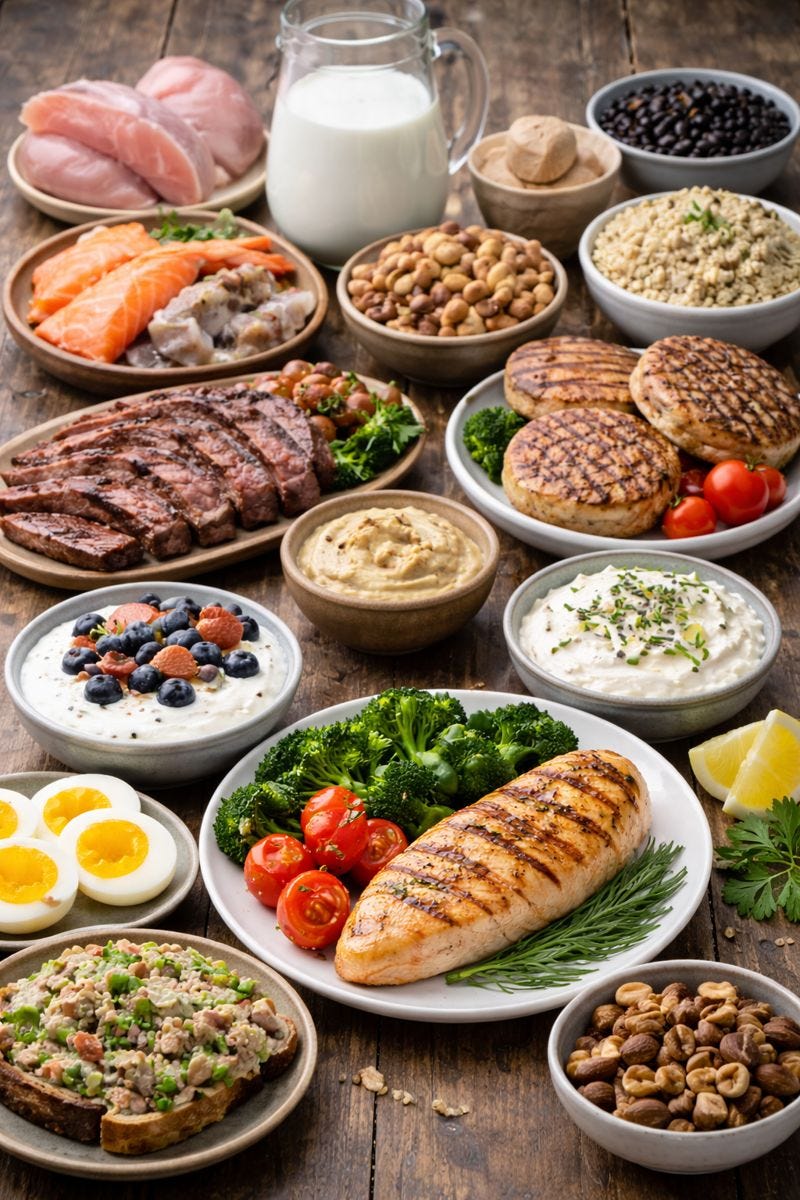
Image generated by AI
 | A guest post by
|
 | A guest post by
|